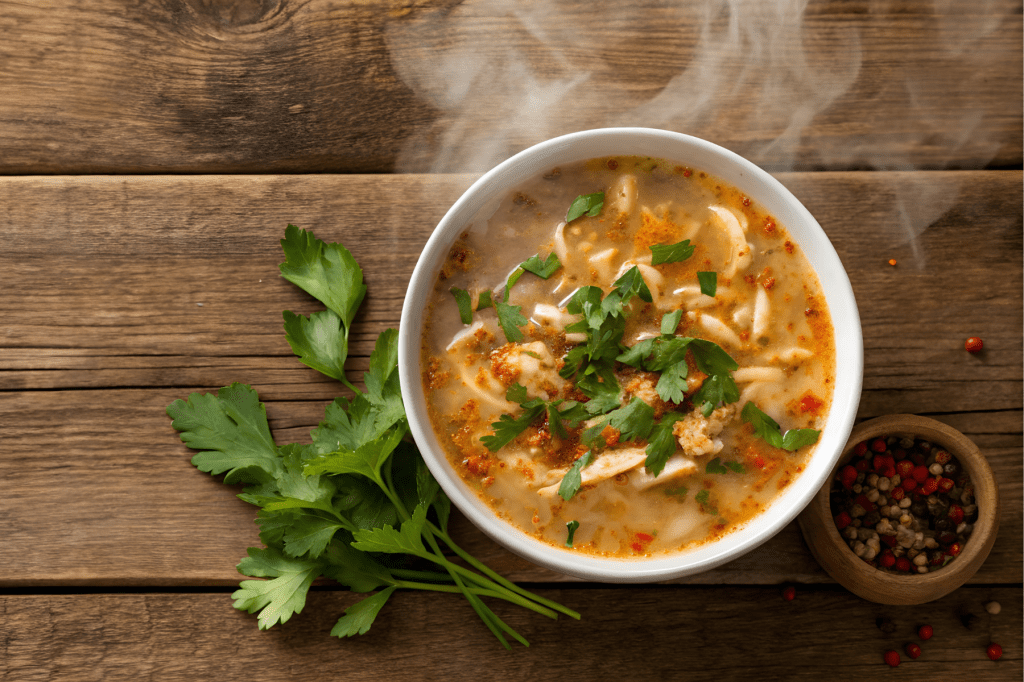
The seasons don’t just change the weather, they change us.
Our appetite shifts. Our digestion shifts. Our energy, mood, and tolerance shift too. This isn’t random, and it isn’t psychological. It’s physiological. Each season places different demands on the body.
Summer is warming. Heat opens circulation, appetite lightens, and energy moves outward. Digestion is more resilient, which is why colder foods and drinks feel easier to tolerate during this season.
Autumn is drying and transitional. Fluids are redistributing rather than settling into a stable pattern. This often shows up as surface dryness, unpredictable digestion, and a nervous system that feels slightly off-rhythm as the body adjusts to change.
Spring is mobilizing and cleansing. The body starts moving things again. Fluids shift. Appetite wakes up. This is when congestion, allergies, and inflammation surface as the body tries to clear what was stored during winter.
Winter is constricting and conserving. Fluids are held inward. This shows up as stiffness, slower digestion, heavier energy, and a greater need for warmth and routine.
These are the fundamental physiological effects of the seasons. When we eat, drink, and live in a way that matches the season, the body cooperates.
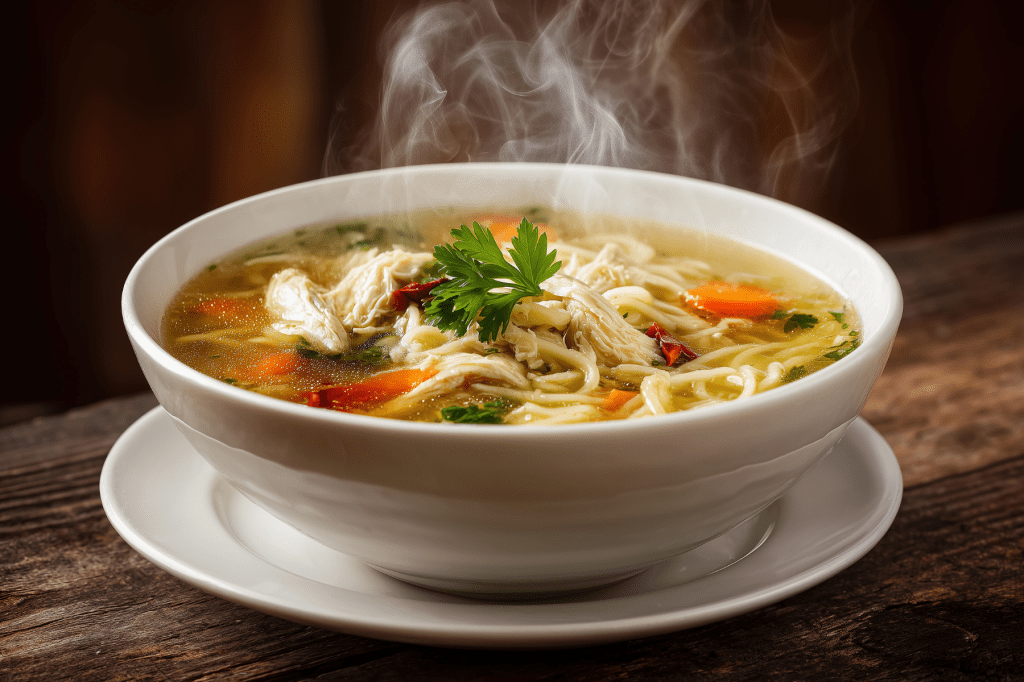
Why Warm Food Makes Such a Difference in Winter
Warm food doesn’t just feel comforting, it supports the process of digestion itself.
According to traditional frameworks of medicine, when food is warm, the stomach relaxes, digestive enzymes activate more easily, circulation to the gut improves and the body doesn’t have to expend extra energy just to process the meal.
That’s why soups, stews, porridges, rice dishes, soft scrambled or poached eggs, warm wraps, and cooked grains feel grounding in winter. Even when they’re simple.
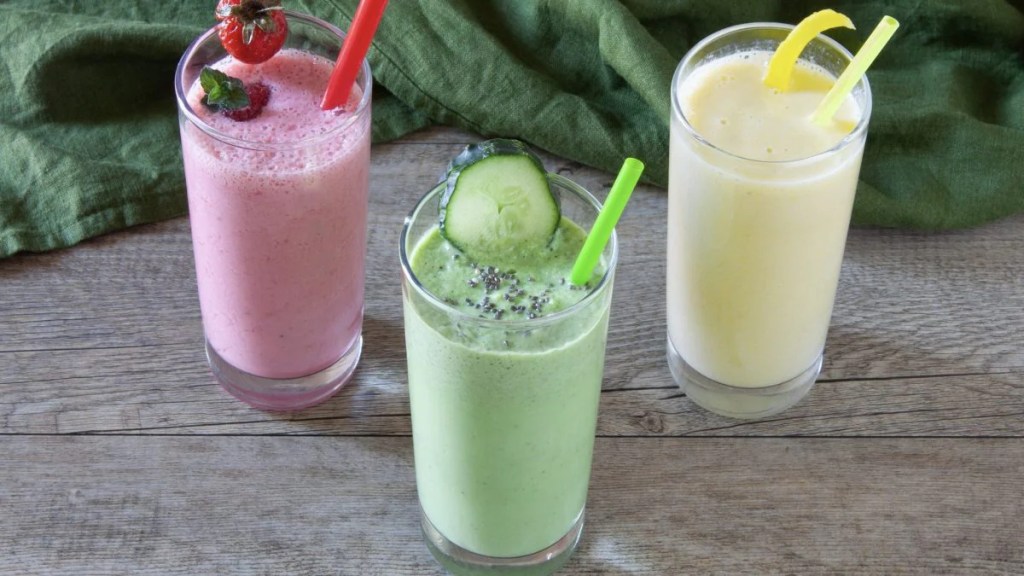
Why Consuming Cold Things Backfire in Winter
Cold foods and drinks do the opposite. Cold smoothies, iced drinks, or cold things straight from the fridge force the body to heat the food internally before digestion can even begin.
For many people, this shows up as bloating, stomachaches, heaviness, fatigue, or cravings later in the day. The food itself isn’t bad, the timing and temperature are the contributing factors.
People crave cold foods in winter because sugar and stimulation temporarily counter low energy and slow digestion, even though they often worsen symptoms later.
From a holistic and terrain-based perspective, this is not a willpower issue. It is a seasonal mismatch.
Cold foods and drinks ask the body to spend energy before it receives energy. This is especially true for children, stressed nervous systems, anyone with digestive sensitivity and individuals with depleted or sluggish terrains.
The body is not rejecting health. It is rejecting thermal stress.
Cold Isn’t Just About Temperature
It’s also important to understand that “cold” isn’t just about temperature.
In traditional Western herbalism (and other traditional systems), cold also refers to a physiological effect, not just how something feels to the touch.
Certain foods and routines are considered cooling because they reduce internal warmth and drive, making the body drier, slower, and less energized over time. This language comes from traditional medical frameworks describing observable bodily effects.
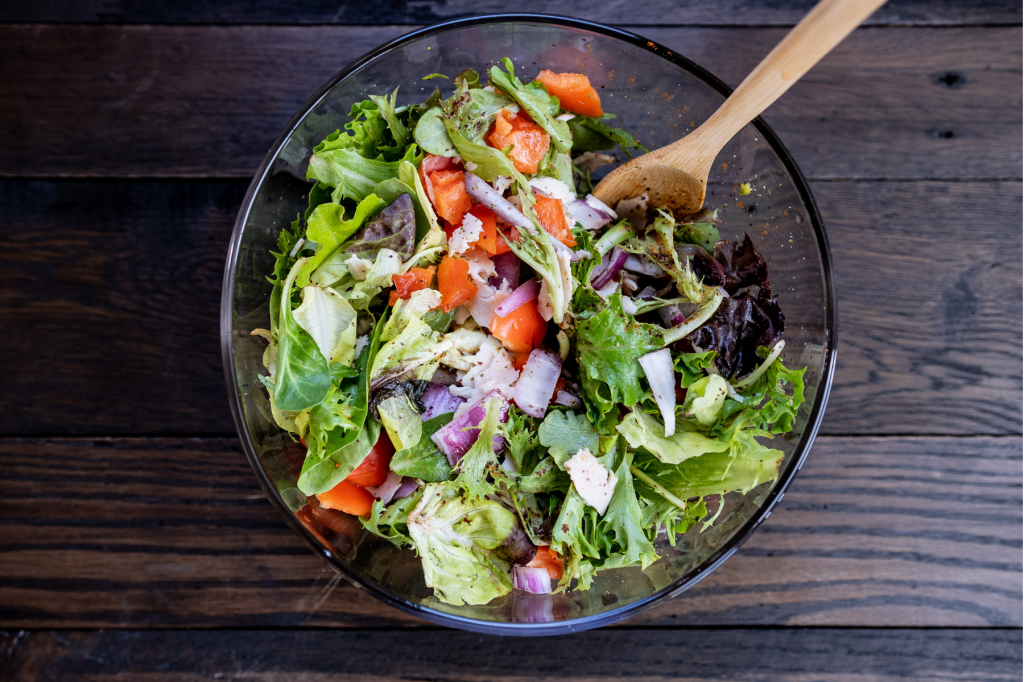
Raw salads, bitter greens, strong bitters (even when taken as hot tea), citrus-heavy things, fasting, skipping meals, and excessive stimulation can all have a cooling effect.
So in winter, someone can be eating something that’s considered “healthy” modern nutrition standards, but it’s creating a cooling effect without even realizing it. This is why many people feel worse even when they think they’re doing everything right.
This isn’t obvious because this knowledge isn’t widely taught in the mainstream. People often blame themselves instead of recognizing a mismatch between season, terrain, and daily habits.
Warming Effects Go Beyond Temperature As Well
Just as there is a cooling quality, there is also a warming quality.
Warming refers to anything that increases internal heat and drive, supporting circulation, and digestion more efficiently.
It promotes outward movement, responsiveness, and the body’s ability to generate warmth from within, even when the environment is cold.
Some foods are warming in effect even when they aren’t hot. In small amounts, fermented foods like miso, tempeh, or sauerkraut stimulate digestion and metabolism, supporting internal warmth.
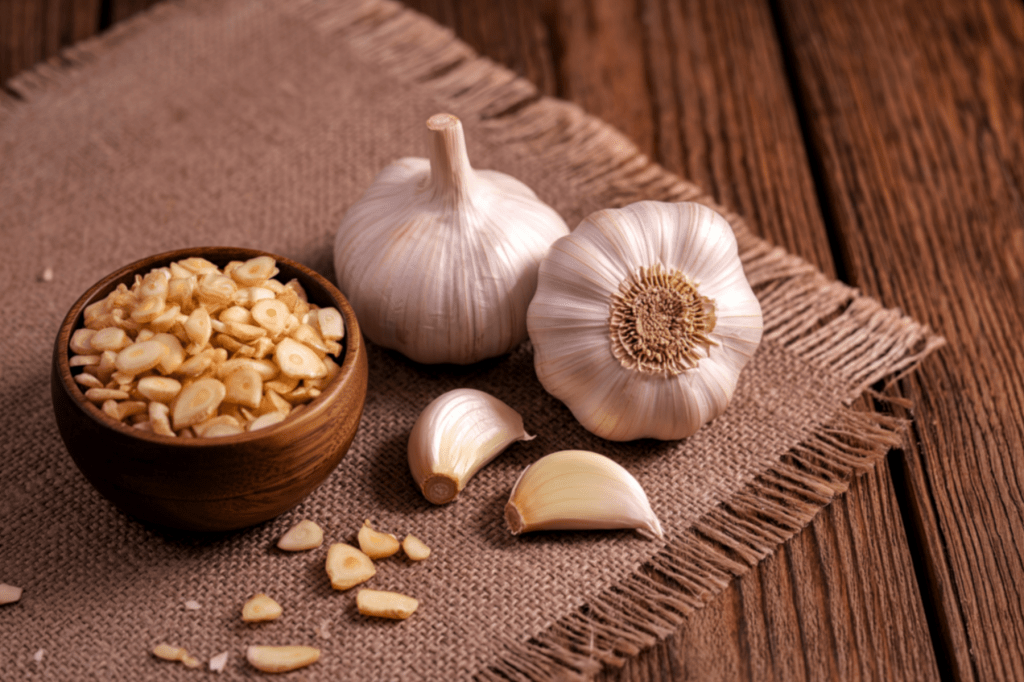
Aromatic foods like garlic and onions have a similar effect, encouraging circulation and digestive secretions.
Spices such as ginger, cinnamon, clove, black pepper, and cardamom stimulate circulation and digestion, helping sustain energy beyond what a thermometer shows.
Ever notice how you feel warmer when you go for a walk or a run? This is heat being generated by the body through circulation, metabolism and activity, regardless of outdoor temperature or sunlight.

Why Warm Liquids Matter More Than You Think
Warm liquids are one of the simplest ways to support winter digestion and regulation.
Warm drinks improve circulation to the gut, support hydration without shocking the system, help calm the nervous system, and reduce digestive tension.
Cold drinks, especially with meals, dilute digestive secretions and tighten the stomach. This often leads to bloating, reflux, or sluggish digestion, even in people who otherwise eat well.
A warm tea, broth, or gently warmed milk can do more for digestion than the most carefully curated supplement routine.

Warming the Body Starts at the Core
Cold doesn’t just affect the surface of the body. It changes how circulation behaves. As temperatures drop, blood naturally pulls inward toward the core to protect vital organs.
A sweater, warm meals, and a heated indoor environment send a stronger signal to the body that it has heat to spare. When the body feels safe conserving less, circulation returns outward on its own.
This is also why practices that reduce heat loss matter. Daily castor, sesame or olive oil massage, for example, coats the skin and limits evaporation. The amount and frequency should match the individual.
Evaporation, even in cold weather, is a major source of heat loss. When the skin is protected, the body doesn’t have to work as hard to stay warm internally.
Warm baths may be one of the few things that reliably restore circulation.

The Neglected Nuance Most People Miss
Not everyone needs the same amount of warmth so even this is not one size fits all. Holistic medicine is always personalized.
Some people overheat easily, have strong circulation, or flare with too much stimulation. For them, the seasonal principle still applies, but the dose changes.
Warmth should be supportive and gentle for these types of people.
For example, gentle warmth like cooked foods, warm drinks, and regular meals may be supportive, while excessive layering, hot spices, very hot showers or baths, prolonged heater or fireplace use, overheated sleeping spaces, or high-temperature saunas can become imbalancing.
These more intense warming inputs are best used short term, rather than as daily or ongoing strategies, for people who struggle with poor circulation, persistent cold hands and feet, low body temperature, or slow digestion, especially when they feel cold even in warm environments.
These tools aren’t meant to replace steady, supportive warmth. This is where long term support comes in.
The body usually knows what it needs. We just have to stop working against it. This is seasonal intelligence.
 Honestly, Vanessa