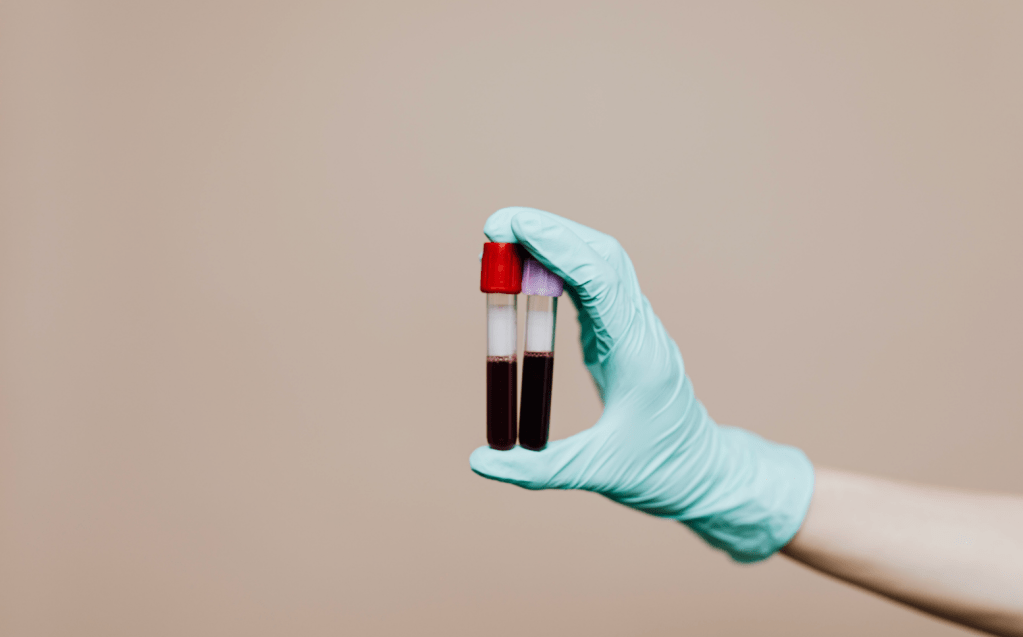
Most people have had this moment where they’re sitting in a doctor’s office explaining that they don’t feel well, only to be told their bloodwork looks completely “normal.”
Meanwhile, you feel puffy and exhausted, your digestion feels off, your sleep is terrible, and your energy crashes for no reason at all, so you walk out thinking, If my labs are normal, then why do I feel so awful?
That’s usually when the self-doubt starts creeping in. Maybe it’s just stress. Maybe it’s in your head. Maybe you should try harder to push through it. But what you’re feeling is real, and there’s a reason for it.
What most people aren’t told is that labs actually shows how hard your body is working to stay stable. Your body will do almost anything to keep blood values within a tight “normal” range because those levels are essential for survival, even if it has to borrow water, minerals, and resources from your tissues to make it happen.
It may pull hydration from your cells, drain magnesium from your muscles, or shift fluids around just to keep blood chemistry looking good on paper.
So when labs come back normal, it often doesn’t mean everything is fine, it simply means your body is still compensating. The blood gets protected first, and your tissues quietly pay the price.
Long before anything ever shows up on a lab report, imbalance usually starts at the level of sensation. You may notice your skin feeling dry no matter how much water you drink, your lips chapping easily, your jaw and neck staying tense, your digestion slowing down, or that strange feeling of being both puffy and dehydrated at the same time.
Foods that once felt fine might suddenly leave you bloated, heavy, anxious, or spaced out. None of this is random or insignificant, it’s your body communicating that your tissues are struggling long before disease ever appears.
Only after the body has been compensating for a while do organs begin to adapt, symptoms become more consistent patterns, and bloodwork finally starts to change.
By the time imbalance is visible on paper, the body has often been working overtime for months or even years trying to keep everything stable.
Magnesium is a great example of this. Less than one percent of your body’s magnesium is found in the blood, while the other ninety-nine percent lives inside your tissues and cells.
That means you can experience muscle tightness, constipation, anxiety, poor sleep, and dry skin while your blood magnesium still looks perfectly normal, simply because your body pulled magnesium out of your tissues to protect that blood level.
The same concept applies to hydration, sodium, potassium, iron, and many other nutrients, the blood is defended while the rest of the body absorbs the strain.
Your body is also constantly responding in real time in ways that no lab test can fully capture. One sip of coffee can make your heart race within seconds, spicy food can make you feel hot and sweaty almost instantly, and stress can tighten your stomach or chest right away.
These are immediate physiological reactions, yet a blood test only gives a snapshot of what your body managed to stabilize afterward, not what it experienced in the moment.
In many ways, your sensations are the live stream while labs are the delayed replay.
Even functional testing, which can be incredibly helpful and more sensitive than standard labs, still reflects what has already happened in the body through blood, urine, or stool markers.
They provide valuable clues, but they don’t replace listening to what your tissues are experiencing right now, because the body always speaks before numbers shift.
There’s also an important difference between symptoms disappearing because your body actually received what it needed versus disappearing because your body covered the problem up.
Sometimes you eat and the shakiness fades, you breathe and the tension softens, or you rest and the heaviness lifts, which means your body corrected the issue.
Other times the sensation goes away because your body rerouted minerals, shifted fluids, raised stress hormones, or tightened tissues just to maintain stability, which feels like relief but is really just deeper compensation.
This isn’t about avoiding modern medicine, because there are absolutely situations where medical care is essential and lifesaving because western medicine is incredible at stabilizing the body when it’s in crisis.
The key thing to understand is that stabilization isn’t the same as restoration, medication keeps things steady while the body slowly rebuilds what was depleted.
Instead of waiting for labs to confirm something is wrong, it can be incredibly helpful to start paying attention to how your body responds in the moment.
Notice whether certain foods make you feel warmer or colder, more grounded or scattered, more energized or heavy, more moisturized or dried out, because these reactions aren’t random, they’re your body’s early feedback system showing you what your terrain needs.
So if your labs are normal but you still don’t feel well, you’re not crazy, you’re not dramatic, and you’re not imagining it. You’re simply catching imbalance early.
Your fatigue is information. Your bloating is information. Your anxiety is information. Your dryness and puffiness are information.
Labs show what your body is managing to hold together, but your sensations show where it’s struggling, and your body almost always tells the story first.
 Honestly, Vanessa
Leave a comment