Gardening looks simple… until you actually try it.
You buy the plants. You water them faithfully. You check on them every morning like they’re your babies.
And somehow… they still struggle.
When I first started gardening, I honestly thought effort was enough. If I cared enough, watered enough, watched enough, it would all just work. But plants don’t respond to effort. They respond to conditions.
If you’re new to gardening, you’re not doing anything wrong. Most beginner mistakes aren’t about laziness or neglect. They come from misunderstanding what plants actually need.
The very first mistake I made? Overwatering.
I thought more water meant more love. But overwatering is actually one of the fastest ways to kill a plant. Roots need oxygen just as much as they need moisture. When soil stays constantly wet, roots basically suffocate and rot.
Now I stick my finger into the soil before I even think about watering. If the top inch is still damp, I walk away. It sounds simple, but it changed everything for me.
The second mistake I made was focusing way more on the plant than the soil.
You can’t out-water bad soil. You can’t out-fertilize bad soil. Healthy plants start with soil that drains well and contains organic matter. If your soil stays muddy or rock-hard, that’s the real problem. Fix the soil before blaming the plant.
I also had to learn that sun, shade, wind, and space matter more than enthusiasm.
A sun-loving plant will never thrive in shade, no matter how much you care about it. When I first started, I planted whatever herbal seeds I could get my hands on. I was too excited. I didn’t research. I just planted.
Not all plants are beginner-friendly. Some need perfect timing. Some need pruning discipline. Some are dramatic. Luckily, a lot of herbs like basil, mint, and rosemary are forgiving. Vegetables like lettuce and zucchini too. Ornamental plants? Not always so kind.
As a herbalist, I’ve mostly stuck with herbs anyway. My clinical herbalism teacher always says some herbs must be experienced fresh, not just dried. That changed how I see gardening completely. It’s not just aesthetic. It’s medicinal. It’s experiential.
Another lesson I learned the hard way? Spacing.
When you’re staring at tiny seedlings, it feels impossible that they’ll ever crowd each other. But they don’t stay tiny. Crowding leads to poor airflow, disease, weak growth. Those spacing recommendations that look excessive? They’re there for a reason. Trust them.
And fertilizer… oh, fertilizer.
More does not mean faster. It doesn’t mean stronger. Too much can burn roots or create weak, leggy growth. It’s not a fix-all. Now I feed lightly and only when the plant is actively growing.
I also used to panic over every single yellow leaf.
One leaf would discolor and I’d spiral. I’d water more. Feed more. Move the plant. Adjust everything. And in trying to “fix” it, I’d stress it out even more.
That’s when I realized something that felt very familiar.
Just like with humans, we can’t react to single symptoms. We have to look at patterns. We have to assess the terrain.
Gardening taught me that in a way textbooks never could.
Seasons matter too. Plants follow rhythms. Plant too early or too late and you’ll be disappointed no matter how careful you are. Learning frost dates was humbling. Timing is everything.
And growth doesn’t happen on a content schedule. It’s not dramatic. It’s not viral. It’s quiet. Slow progress usually means roots are developing. And strong roots are invisible before they’re visible.
I still remember when my ginger root plant died. I was genuinely sad for a week. It felt personal. But even experienced gardeners kill plants. That’s part of the process.
I had to tell myself, “Don’t beat yourself up, Vanessa.”
Failure teaches more than success ever could. Every dead plant is information. It’s feedback. It’s data. It’s not a personal flaw.
Gardening isn’t about control. It’s about observation.
The more you watch, wait, and listen, the more your garden teaches you what it needs.
And honestly, I think that’s why I love it so much.
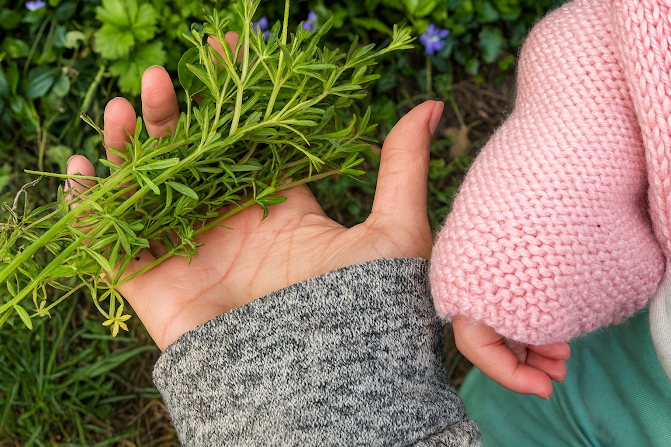
(Photos from my garden <3)


 Honestly, Vanessa